Real homes. Real projects. Real problems worked through properly.
These photographs are not styled shoots and the work has not been recreated for the website. This is First Guest work as it happened.
FG
Case Study 01 · Move-in & Home Setup · 3 Days
Three days to turn a house full of boxes into a functioning home.
The physical move was already complete. The furniture and belongings had arrived, but much of the house was still in boxes. The kitchen and cupboards needed organising, wardrobes and bedrooms needed setting up, storage needed working out and everyday belongings still needed permanent homes.
The client had moved in. The home hadn’t caught up yet.
The Brief
Get the house functioning as quickly as possible.
This was not about creating a show home. The priority was practical: work through the boxes, establish where things belonged, get the important rooms functioning, create sensible organisation within the storage available and reduce the amount of unfinished work still sitting with the client.
There was a lot to do, so the order mattered.
Where I Started
Function first.
When a whole house needs attention, opening every box at once creates more chaos. I worked through the property systematically, prioritising the spaces and belongings that would make the biggest difference to everyday life.
I looked beyond individual boxes and thought about the home as a whole: what needed to function first, which belongings belonged together, where they made most sense and which rooms could be brought to completion rather than leaving five rooms half-finished.
The objective was to keep moving the house towards finished, room by room.
What I Took Care Of
Room by room, decision by decision.
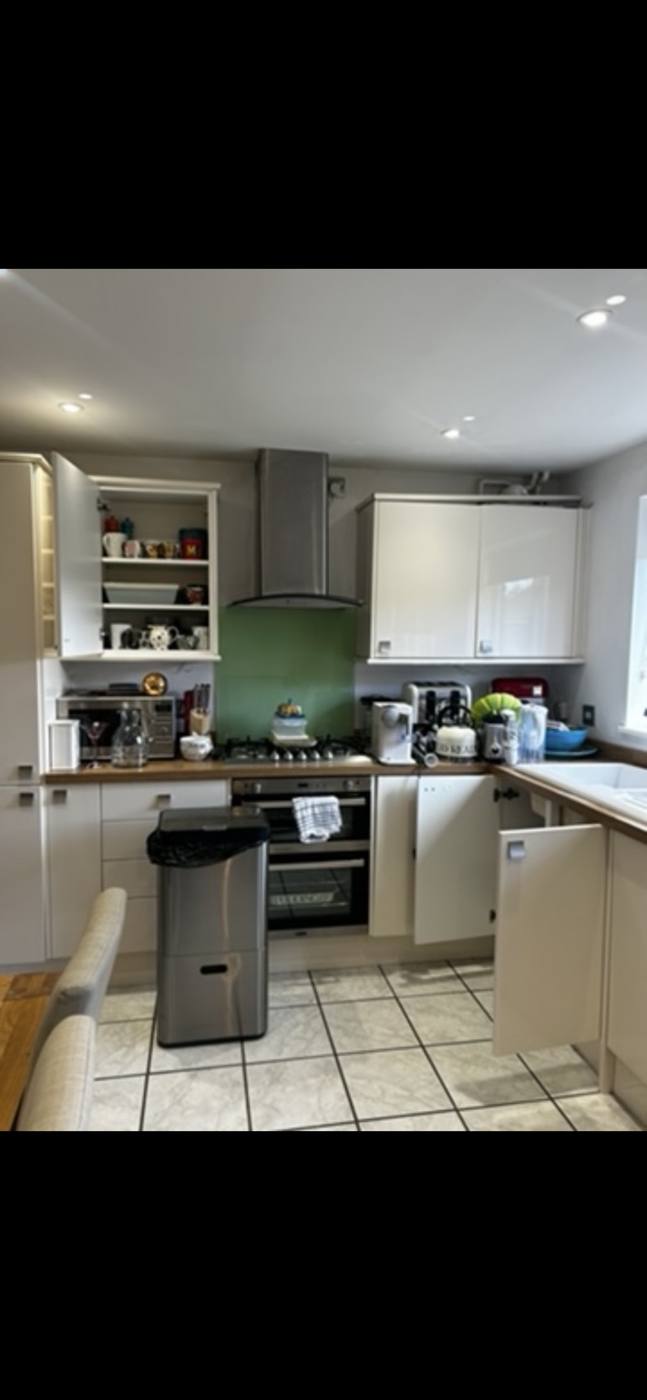
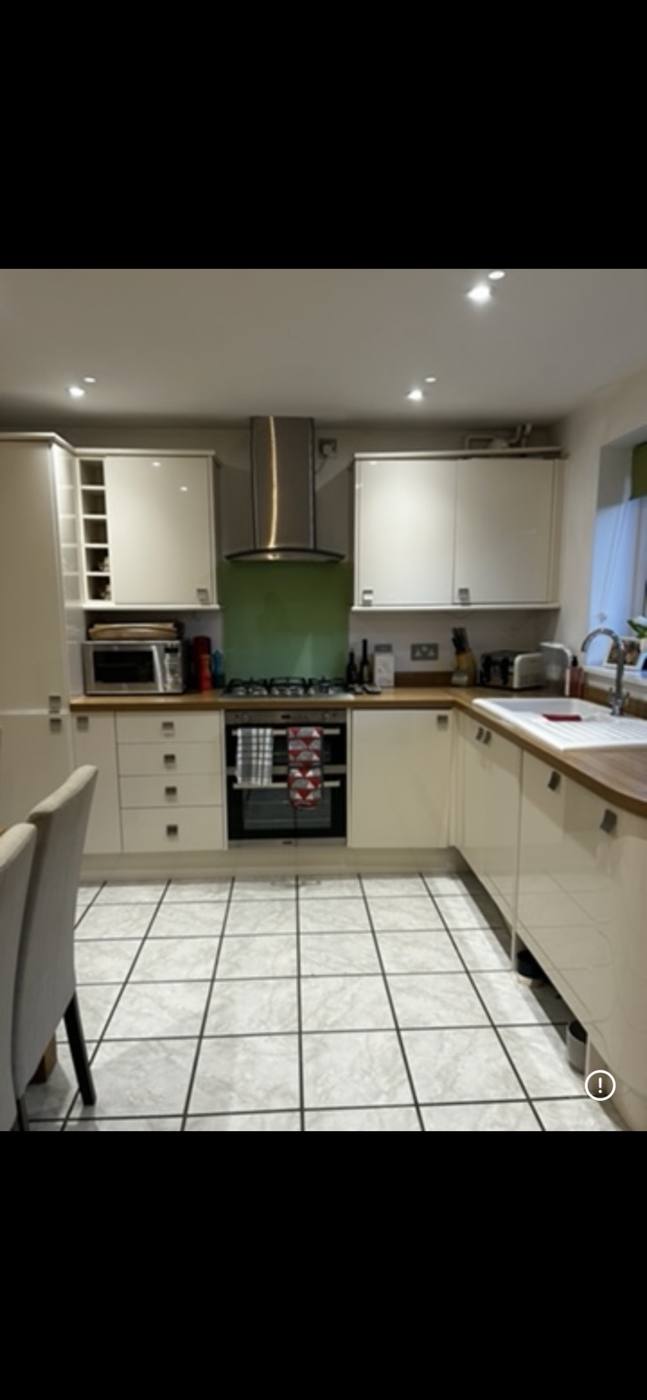
Kitchen & cupboards
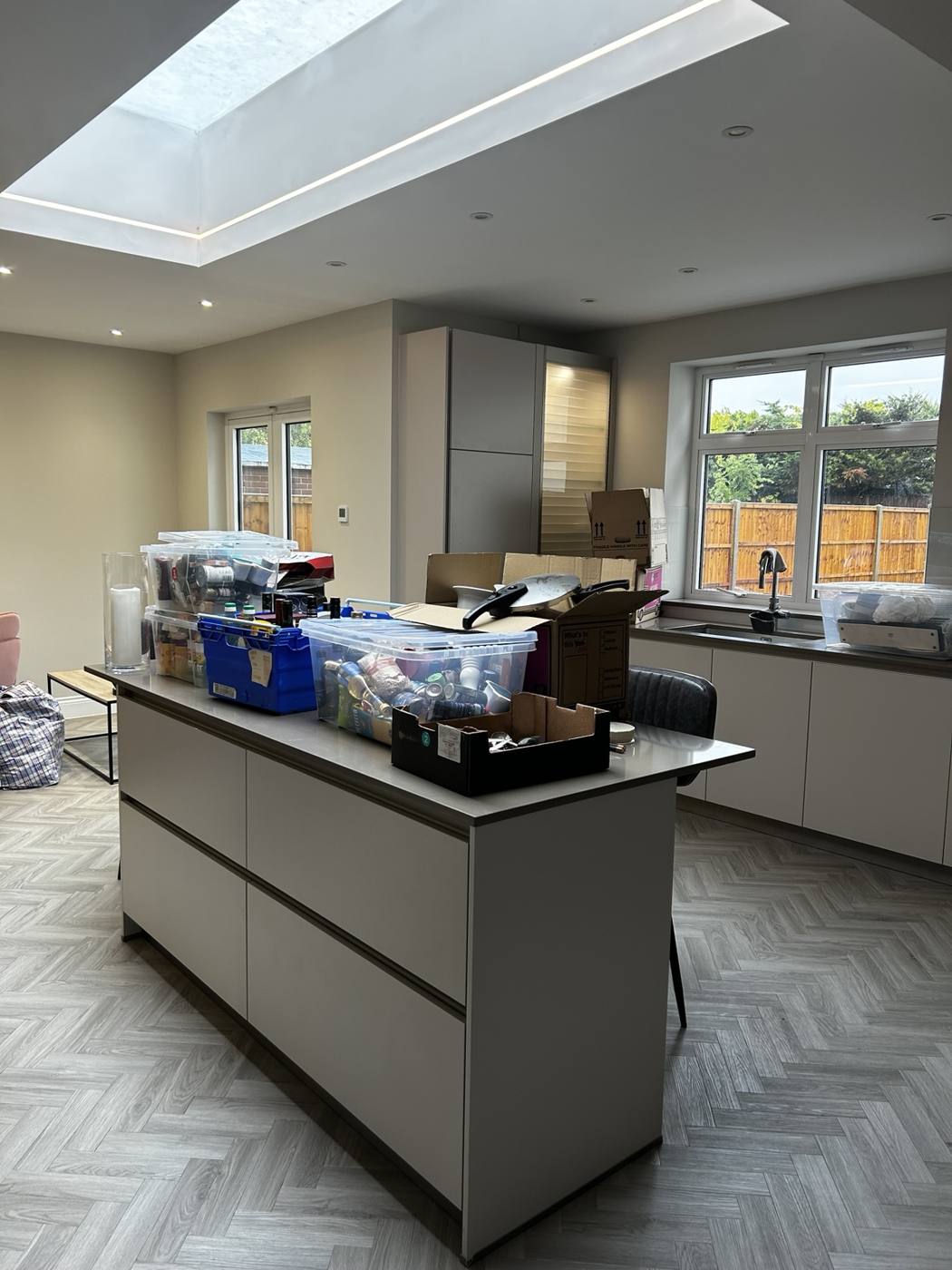
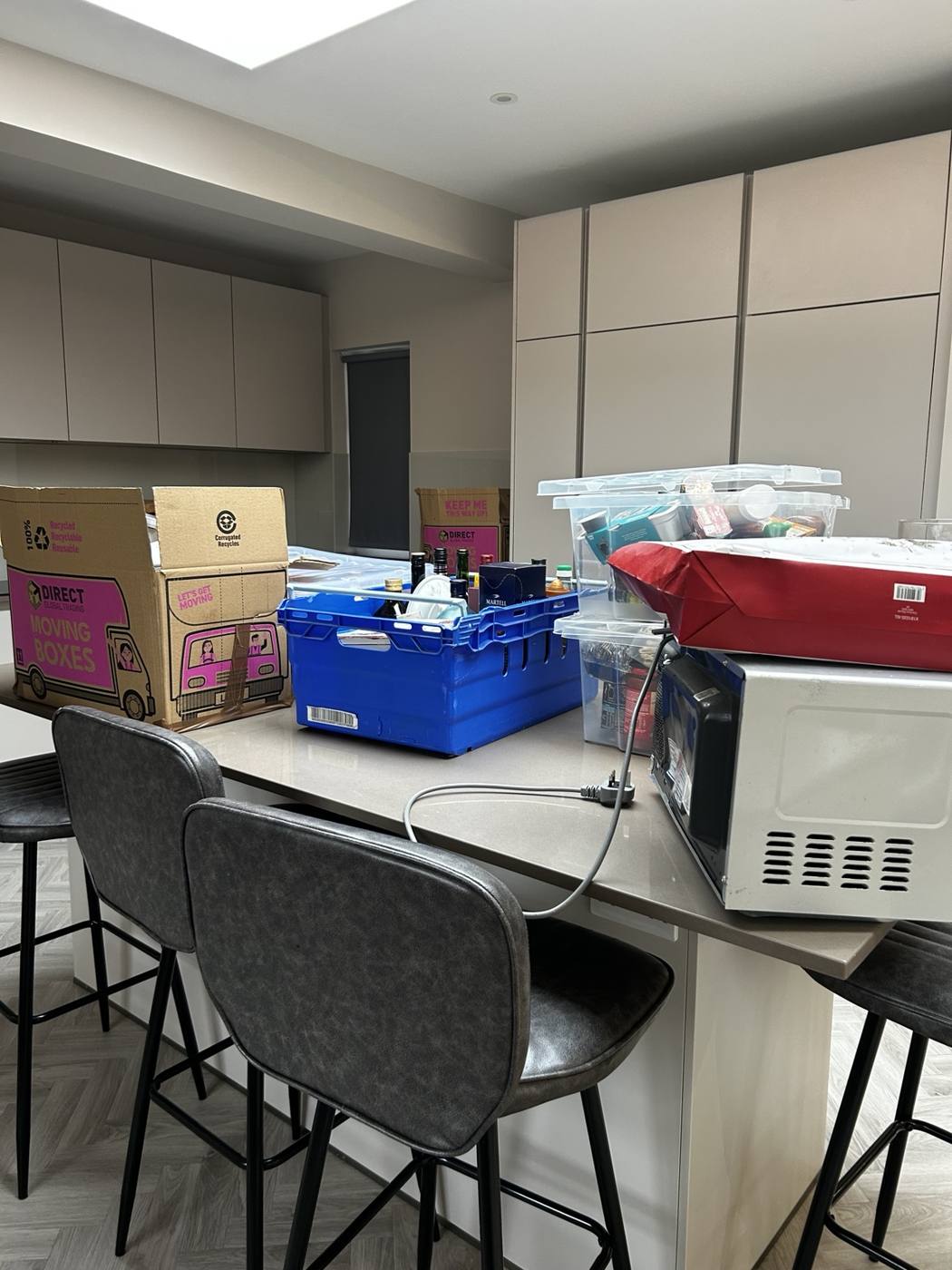
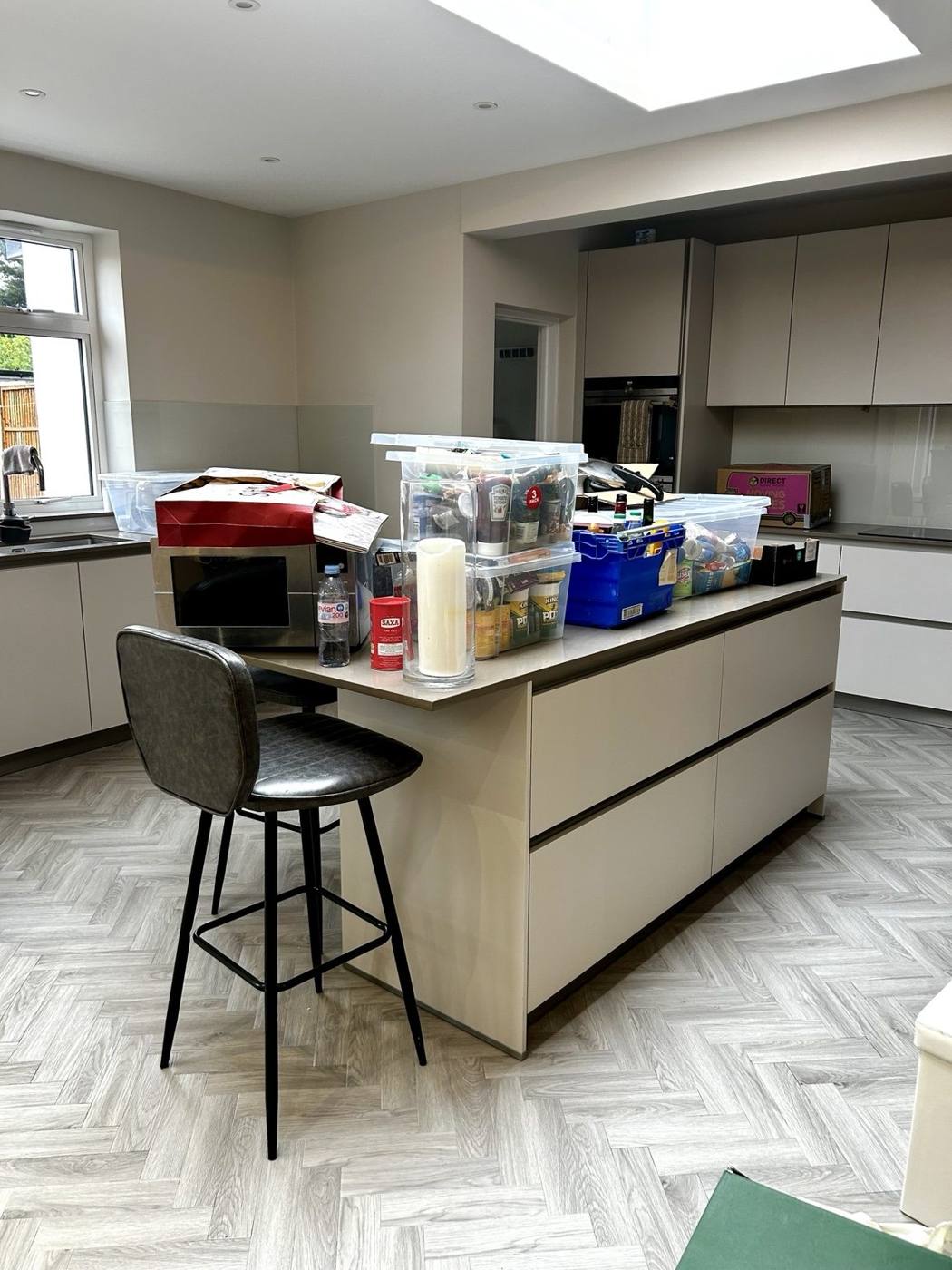
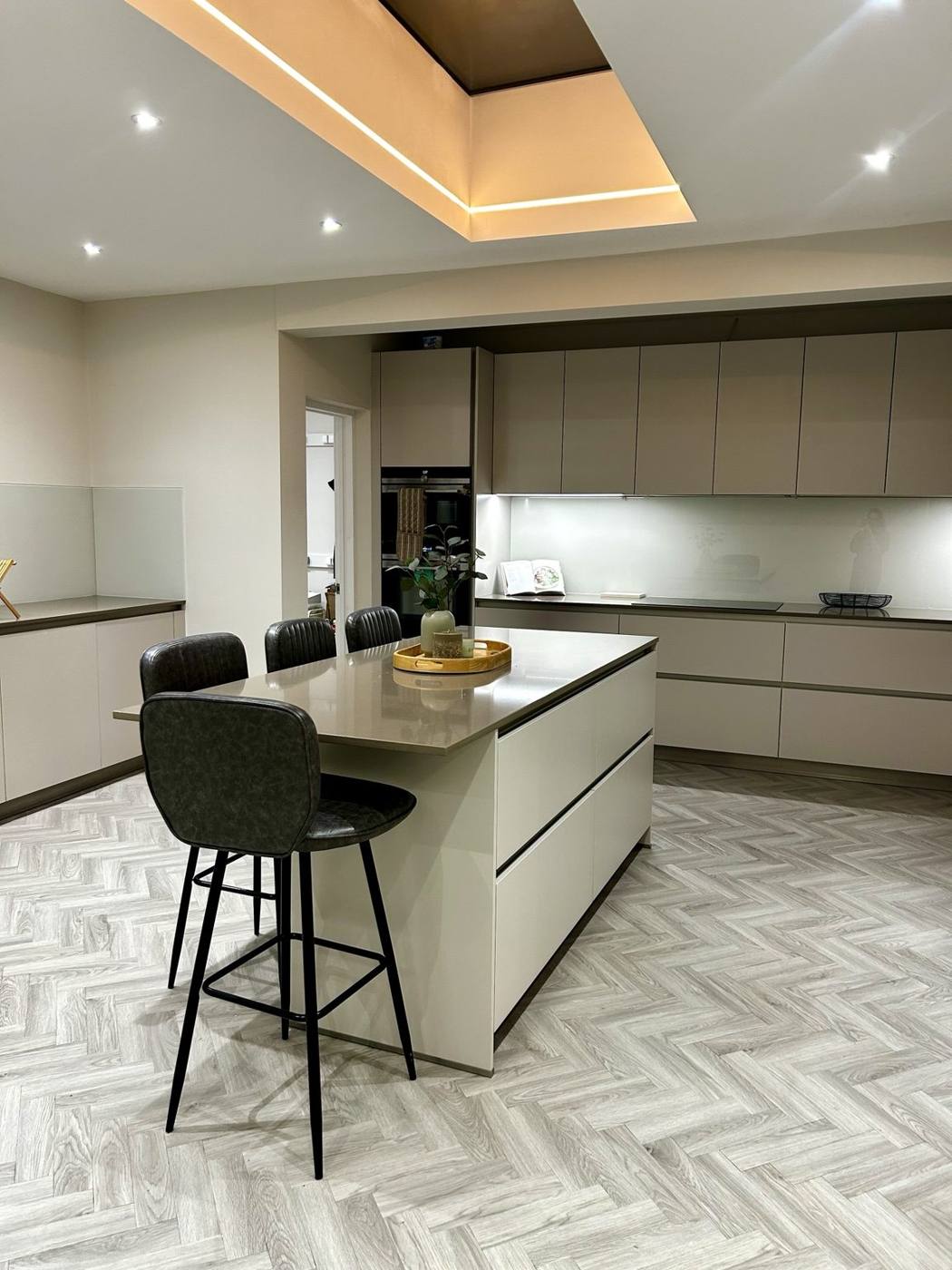
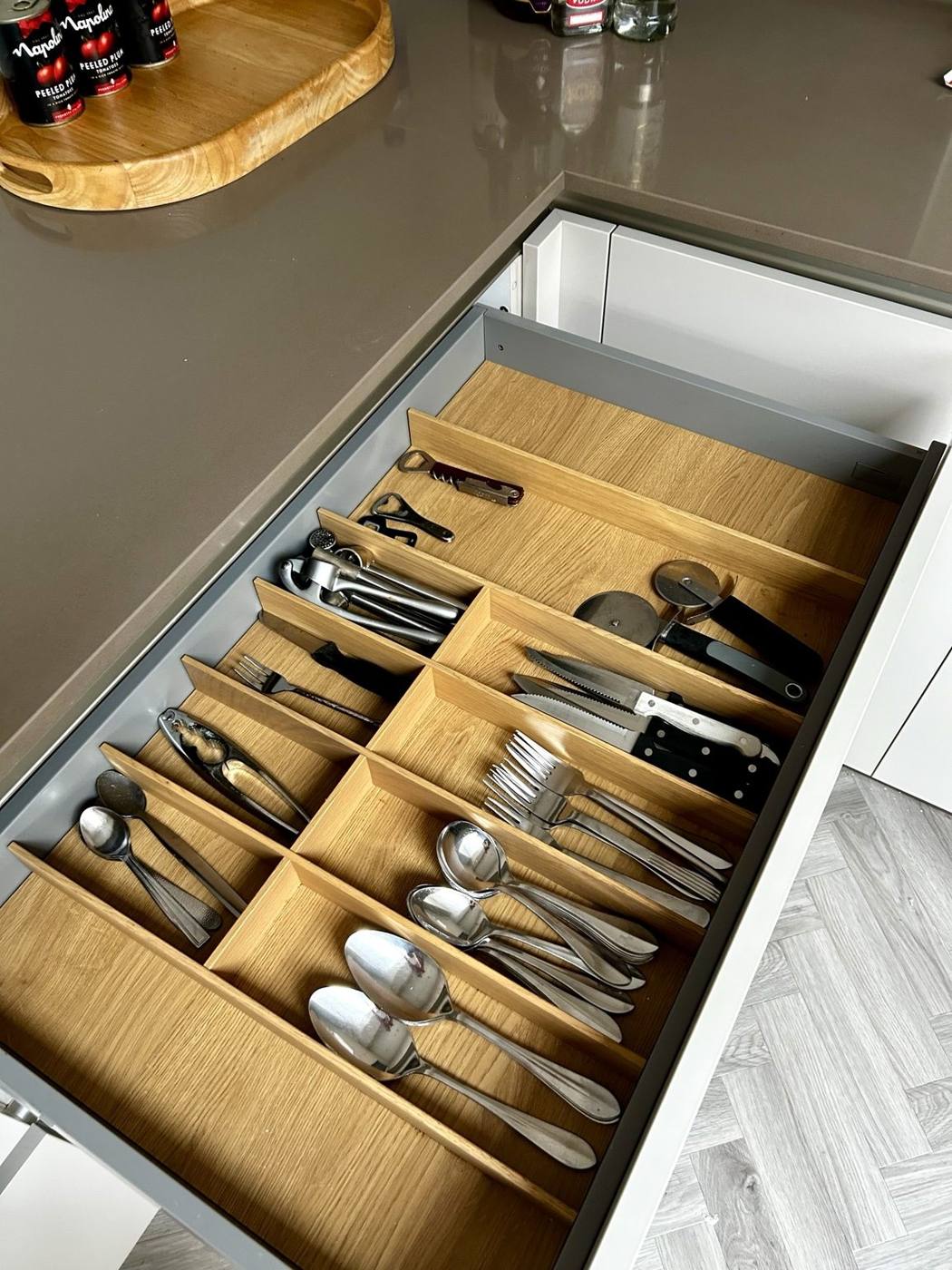
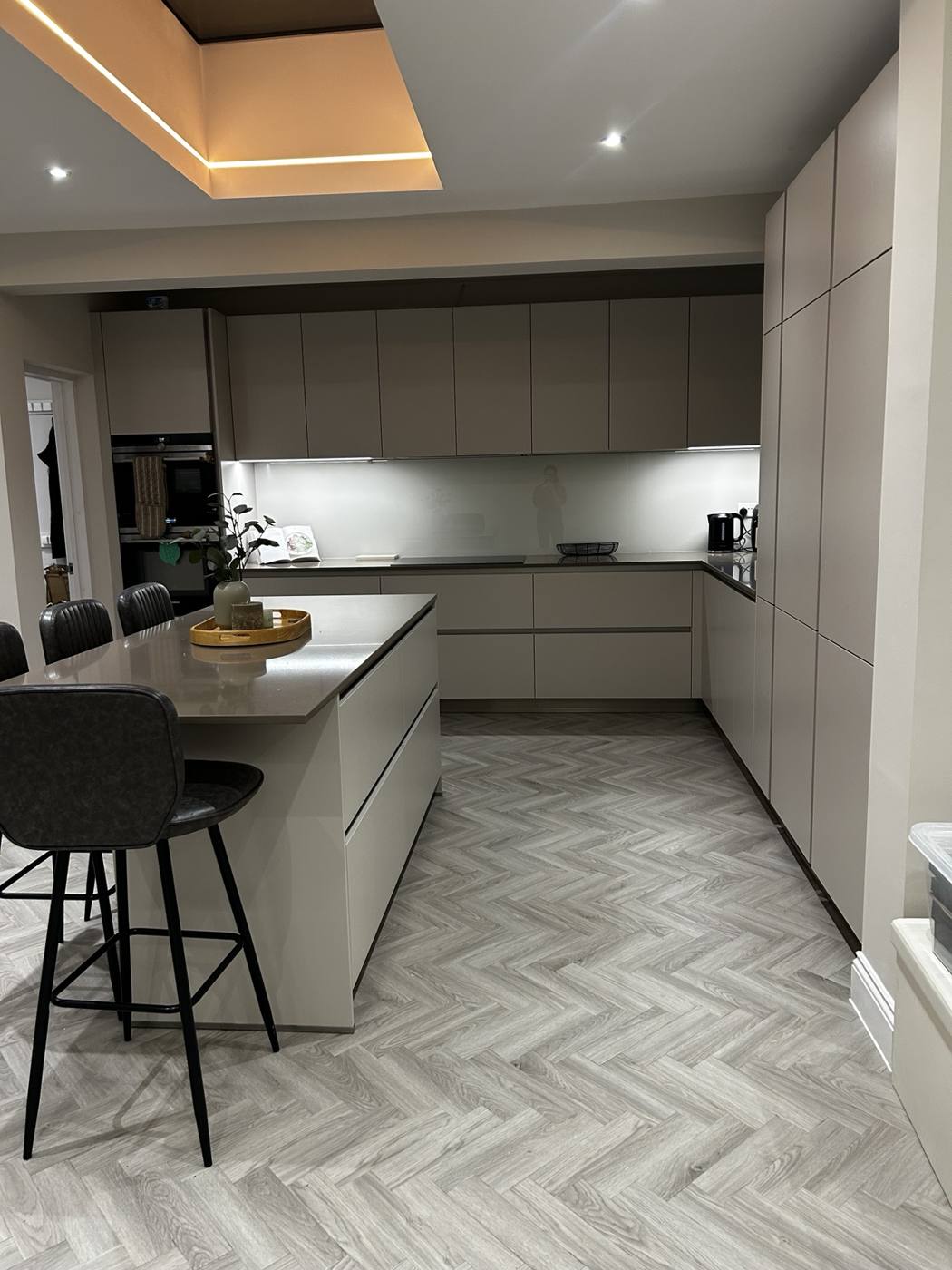
The kitchen needed more than unpacking. Belongings were removed from boxes, grouped into practical categories and organised into the available cupboards based on how the kitchen would actually be used.
Rather than simply finding somewhere each item would fit, the aim was to create a kitchen that made sense once normal life resumed.
Unpack → Categorise → Zone → Organise → Finish
BeforeAfter
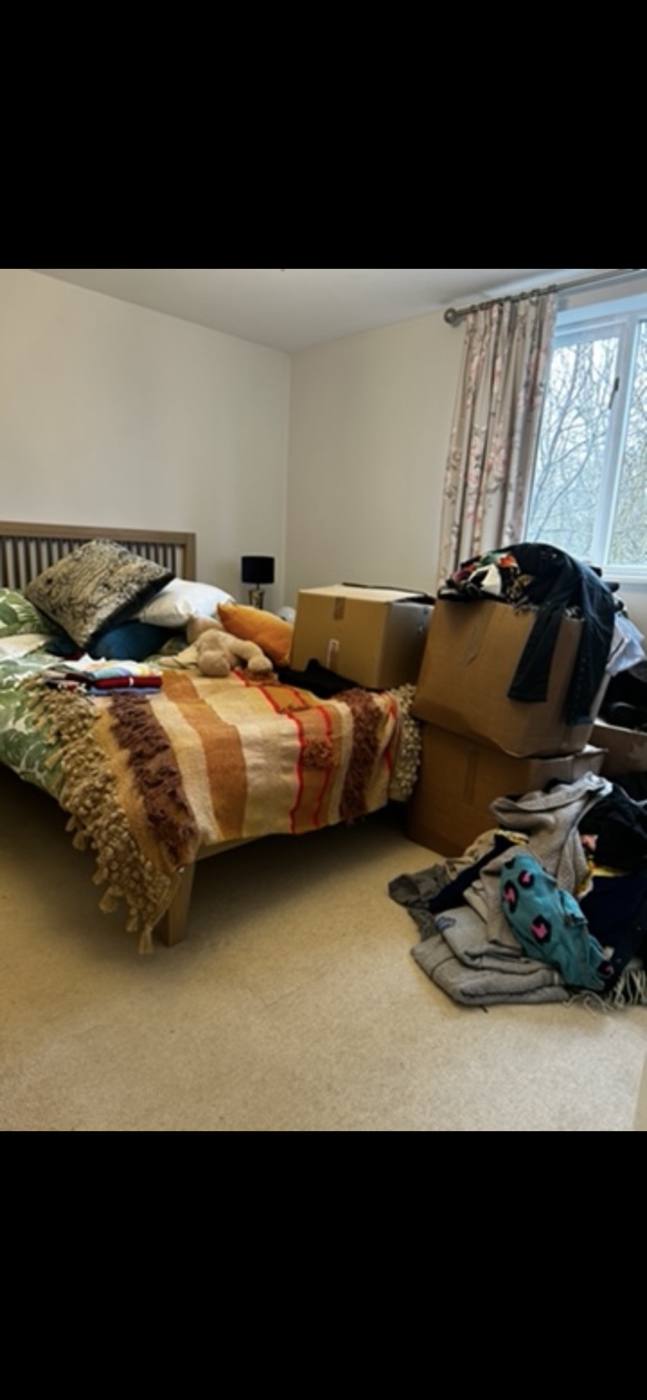
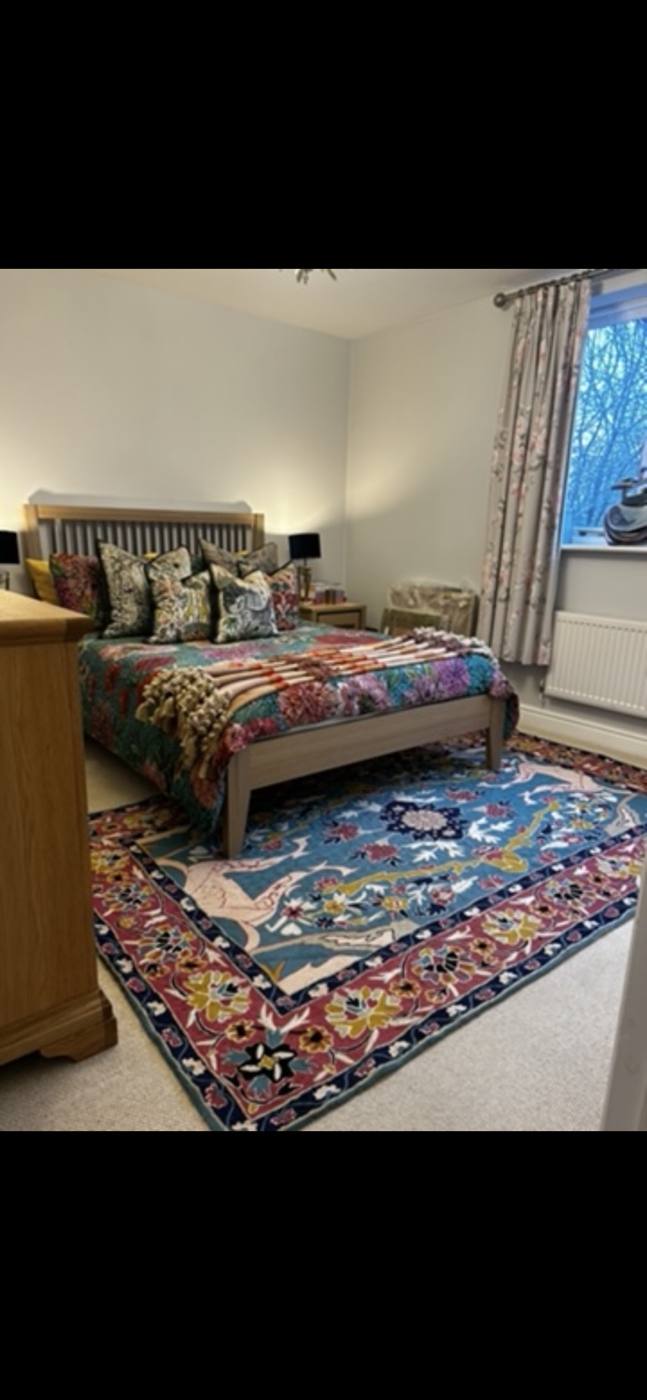
Bedrooms
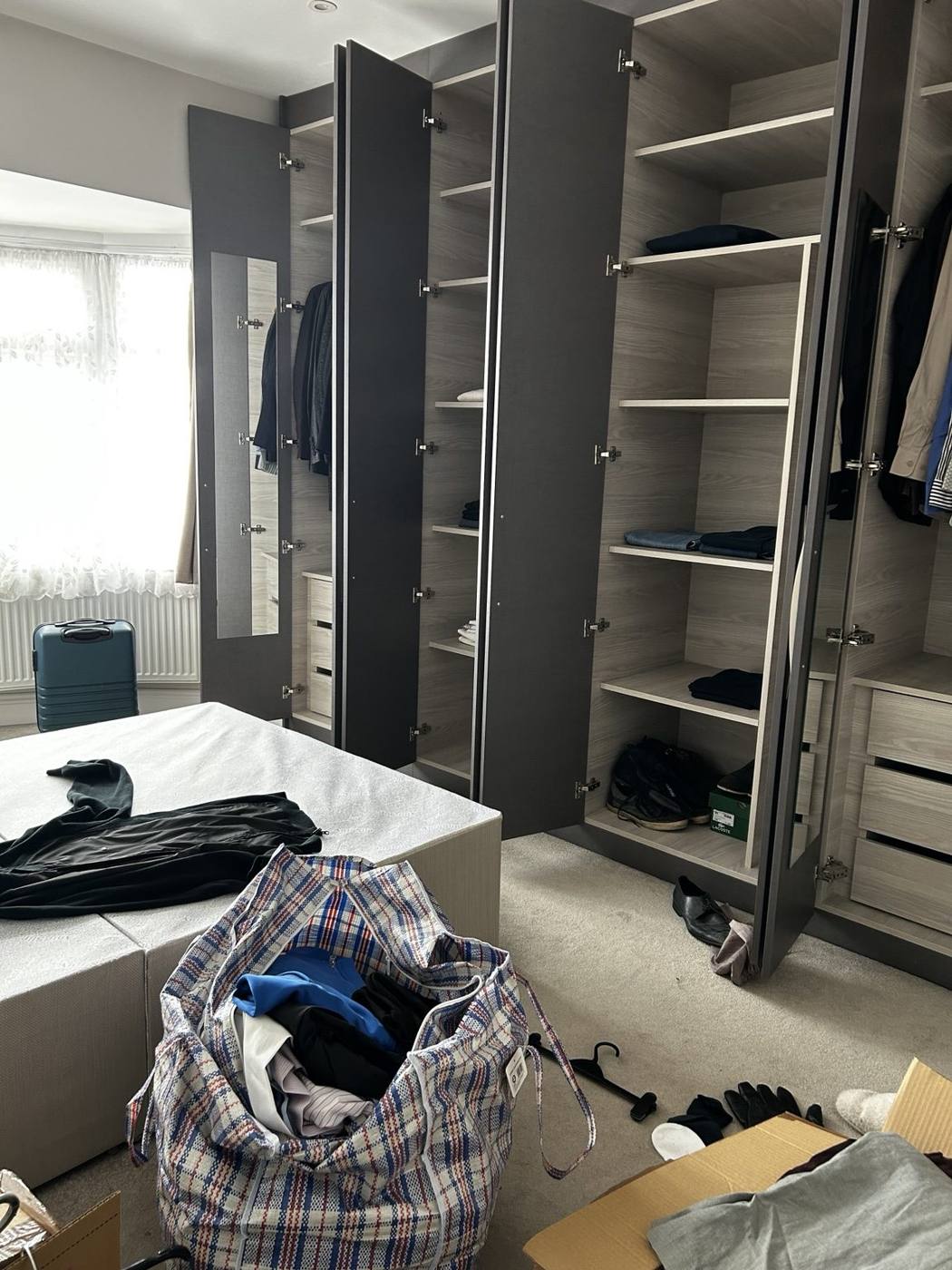
Bedrooms were worked through so that they became usable rooms rather than places surrounded by moving boxes. Belongings were unpacked, obvious categories established and the rooms progressively brought into working order.
BeforeAfter
Dining & living spaces
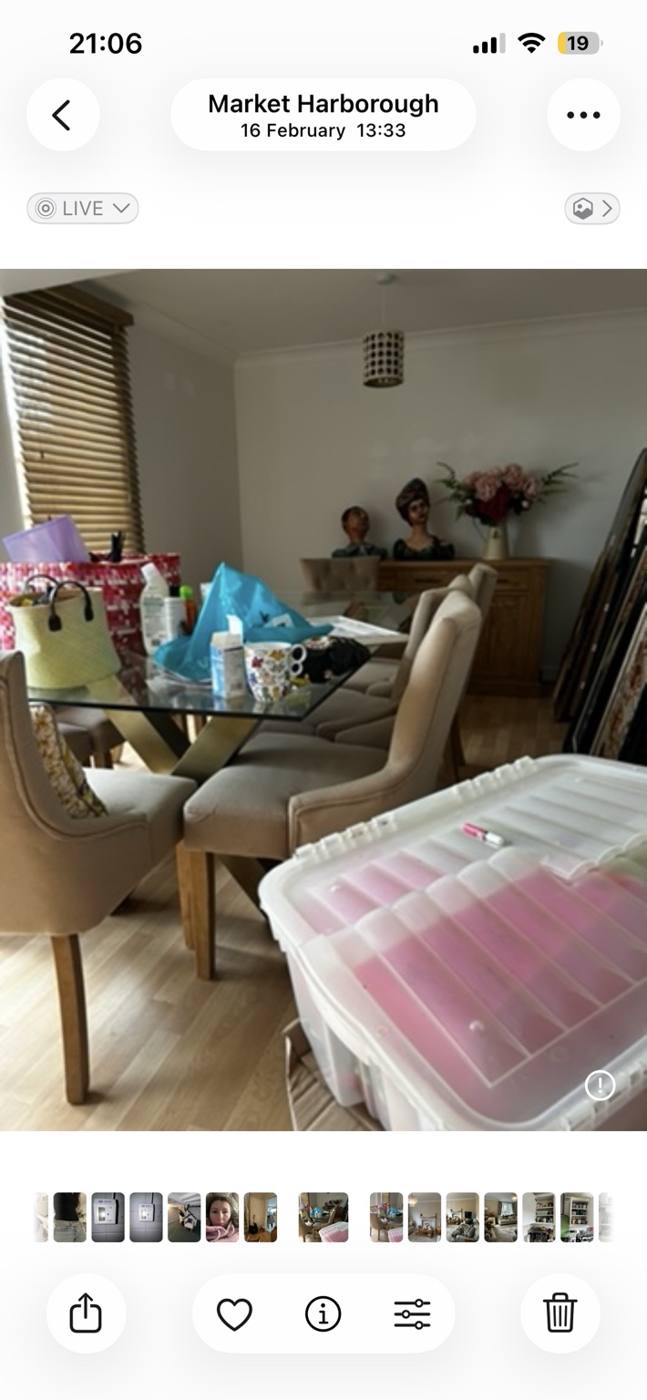
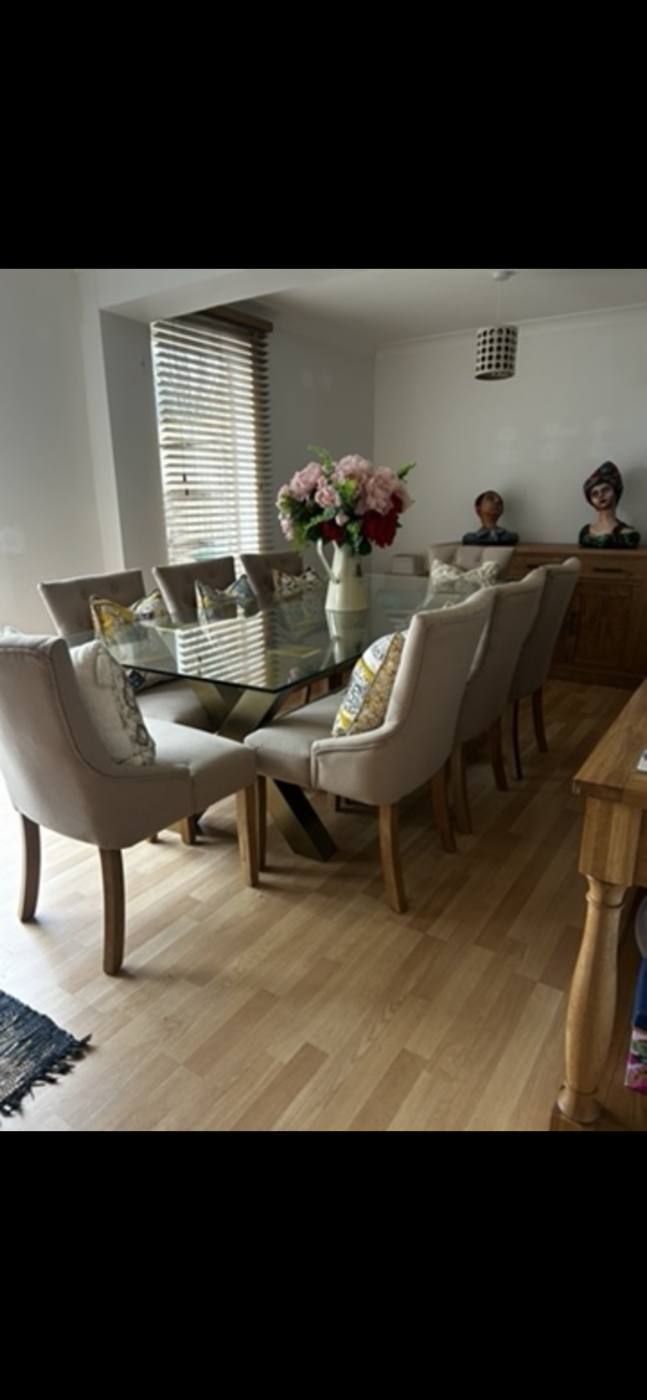
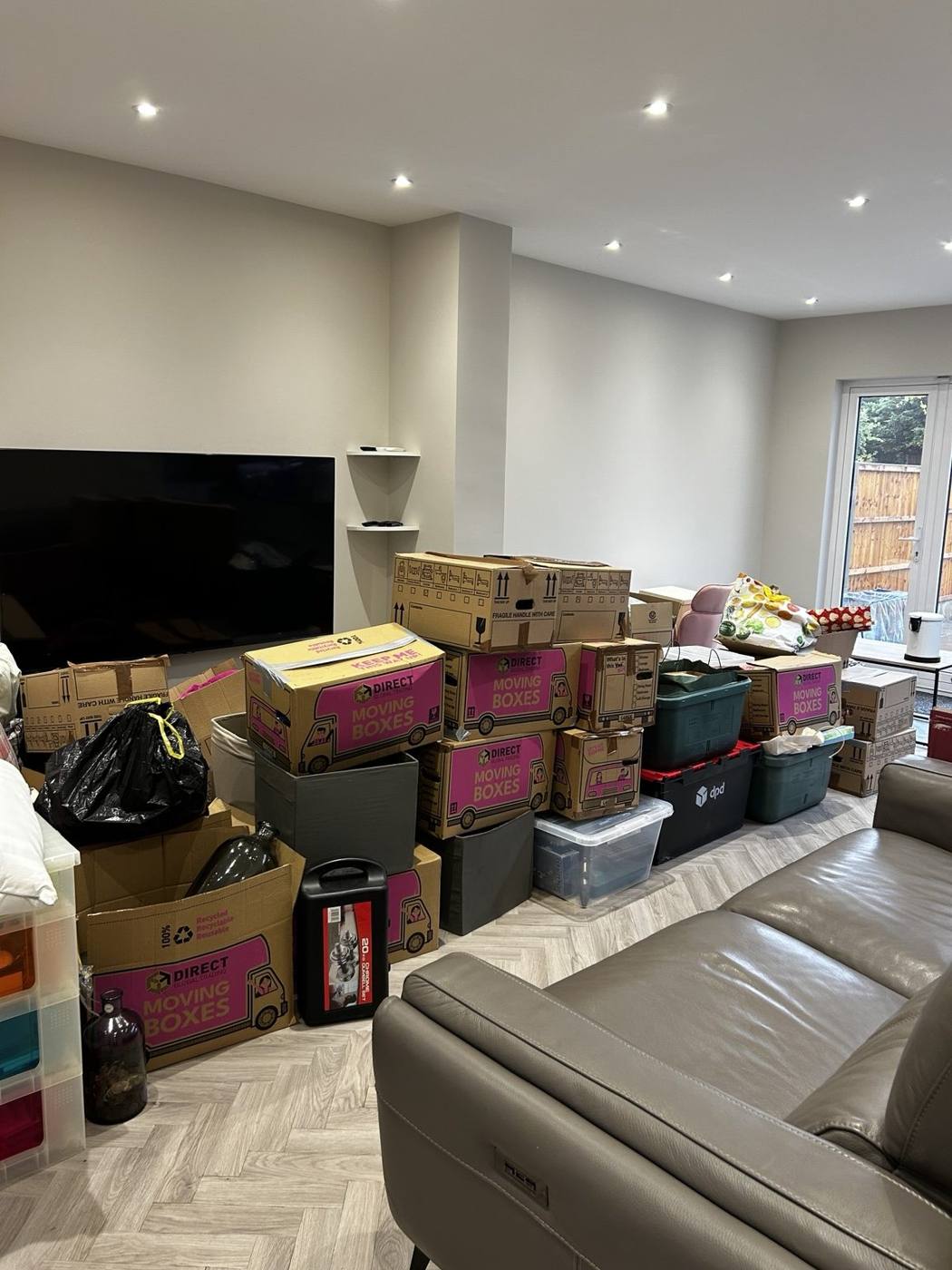
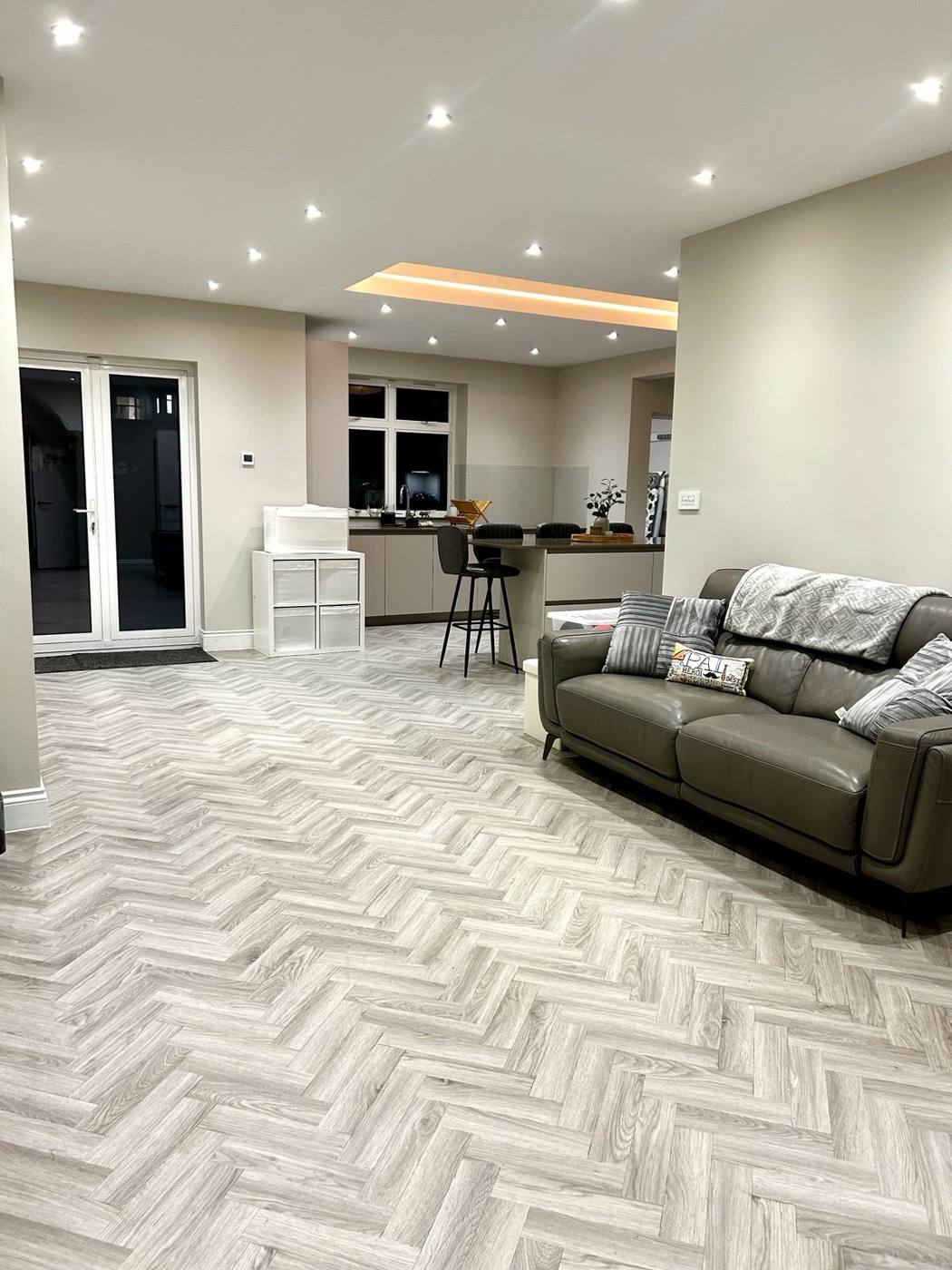
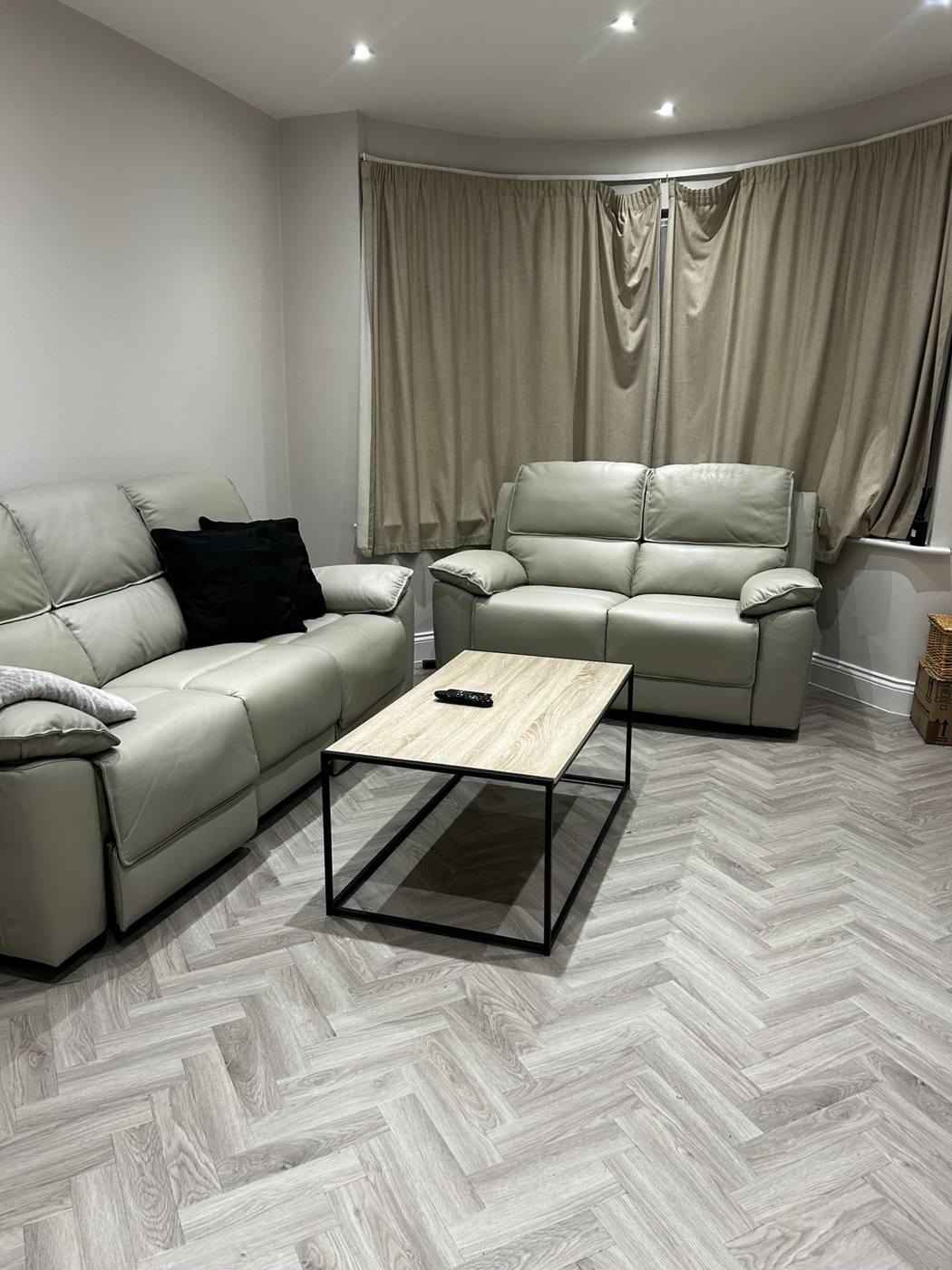
Moving boxes and displaced belongings were worked through so the main living areas could begin functioning as actual rooms again. Items were relocated to the appropriate parts of the house and the remaining visual clutter was progressively reduced.
BeforeAfter
Wardrobes
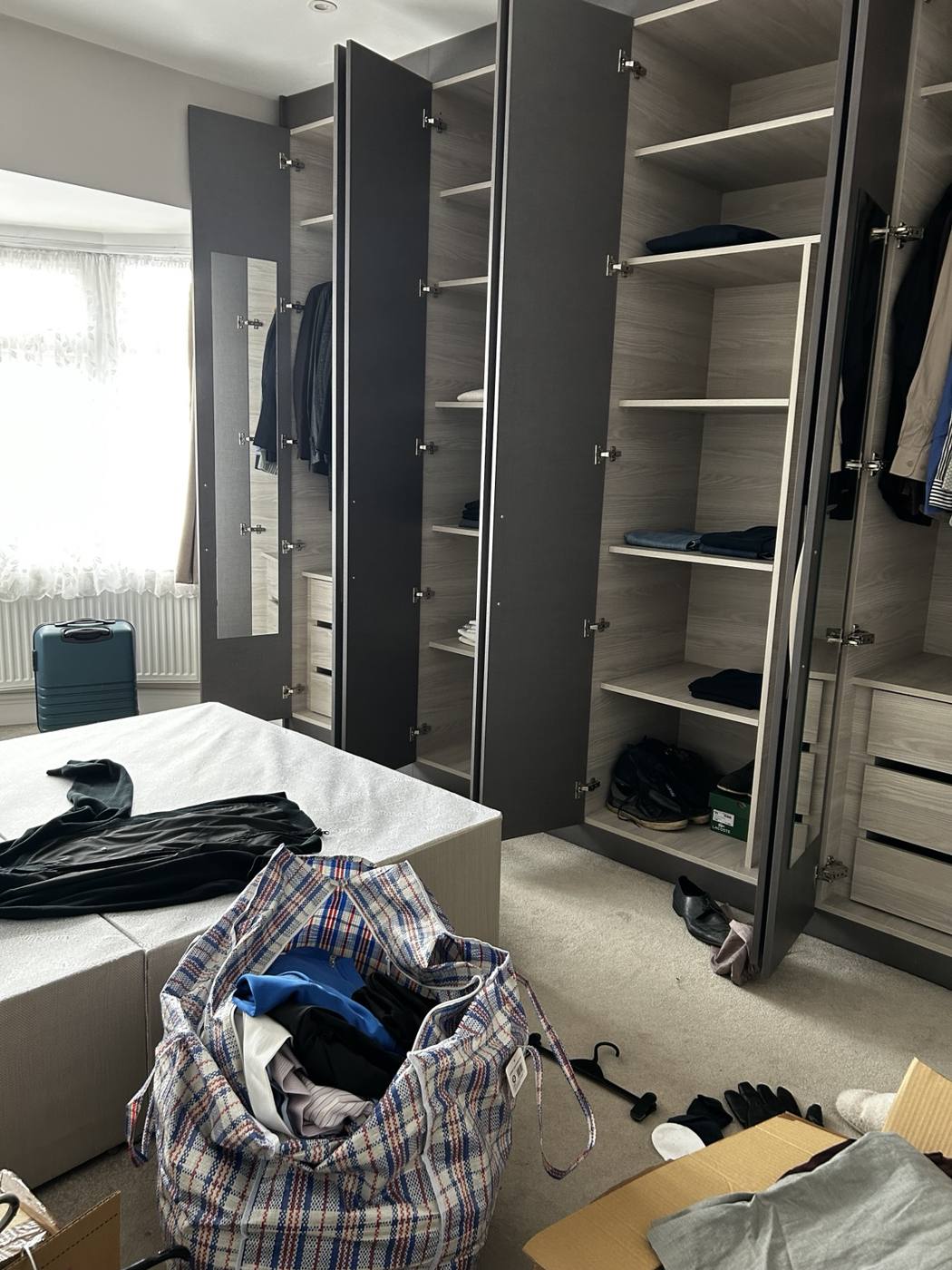
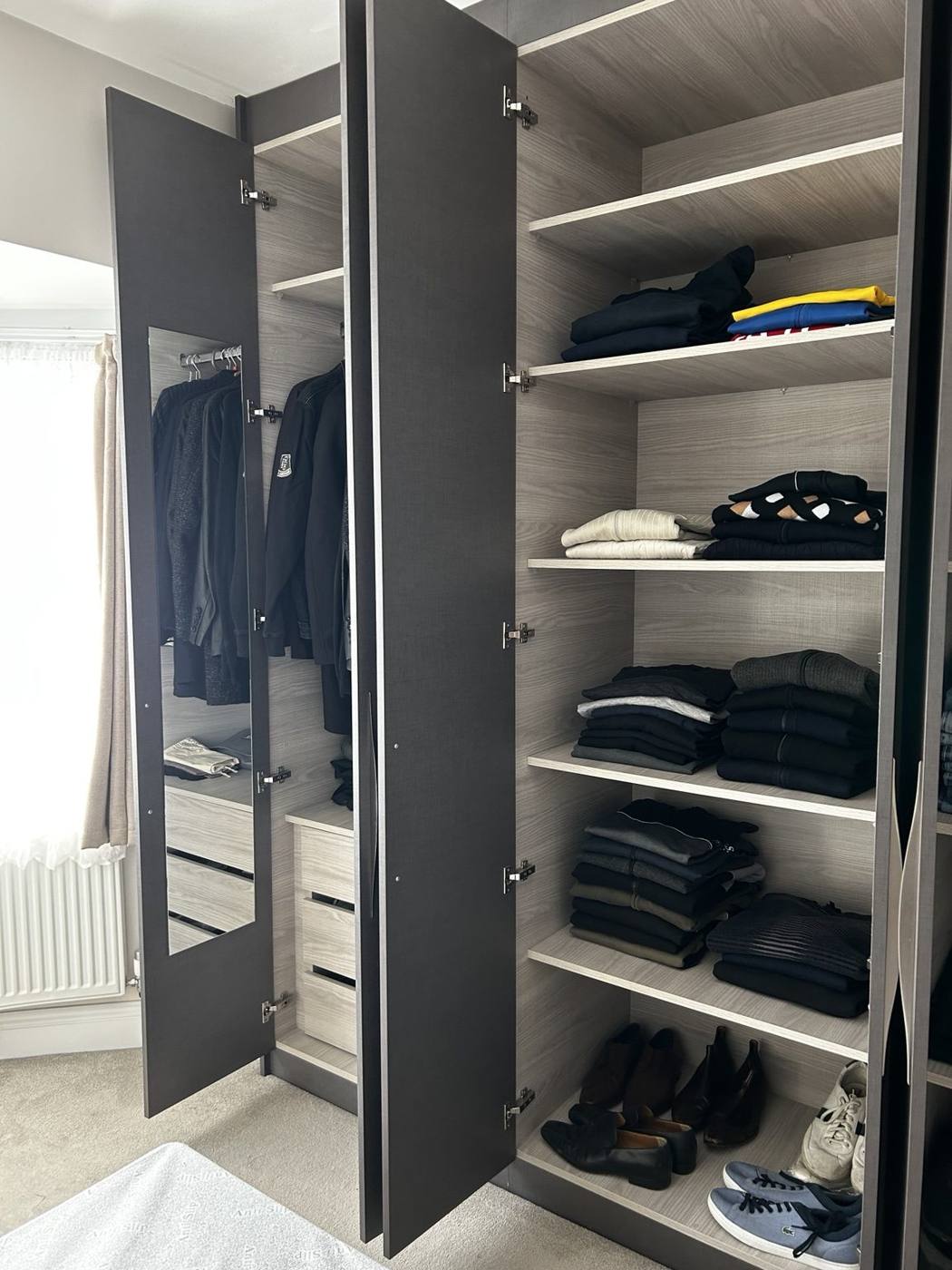
Clothing and personal belongings were unpacked and organised into the available wardrobe and drawer space. The priority was visibility and practical everyday use.
Unpacked does not automatically mean organised. Creating a workable system meant the client would not have to reorganise everything again a week later.
Storage
Storage decisions were made as part of the wider house rather than room by room in isolation. The easiest available cupboard is not necessarily the right permanent home for something.
The aim was to use the existing space intelligently and avoid creating systems the client would immediately have to undo.
The Thinking Behind the Work
Unpacking isn’t simply opening boxes.
A box represents a series of decisions. What is this? Does it belong here? What does it belong with? How often is it used? Where will it be easiest to access? Is there enough room? Does something else need moving first?
Multiply those decisions across an entire household and it becomes obvious why people can still be surrounded by boxes weeks after moving.
The value of move-in support isn’t simply having somebody else physically remove things from cardboard. It’s having somebody work through those decisions systematically and keep moving the home towards completion.
Three Days Later
A home that worked.
Key rooms were functioning. The kitchen and cupboards had an organisational structure. Wardrobes and bedrooms had been established. Storage had been worked through. A significant volume of belongings had moved from boxes into sensible permanent homes, and the client was no longer facing the same scale of unfinished move-in work alone.
The objective was never a photograph-perfect house. It was something more useful: a home that worked.
What This Project Shows
Move-in support, clearly defined.
This was move-in support rather than a complete First Guest relocation. I had not managed the preparation, packing or physical move beforehand. I came in at the point where the belongings had arrived and the client needed help completing the domestic setup.
First Guest relocation support can begin at different stages. For one client, the project might start before the first box is packed. For another, it might start exactly where this one did:
Project duration: 2 days · Services: Unpacking, home organisation and move-in setup
The Brief
Following a house move in London, the homeowner needed help turning a property full of moving boxes into a comfortable, functional home. With work and other commitments to manage, he wanted someone experienced to take care of the unpacking, organisation and practical decisions involved in getting settled.
The starting point
The removals van had left, but the work was far from finished.
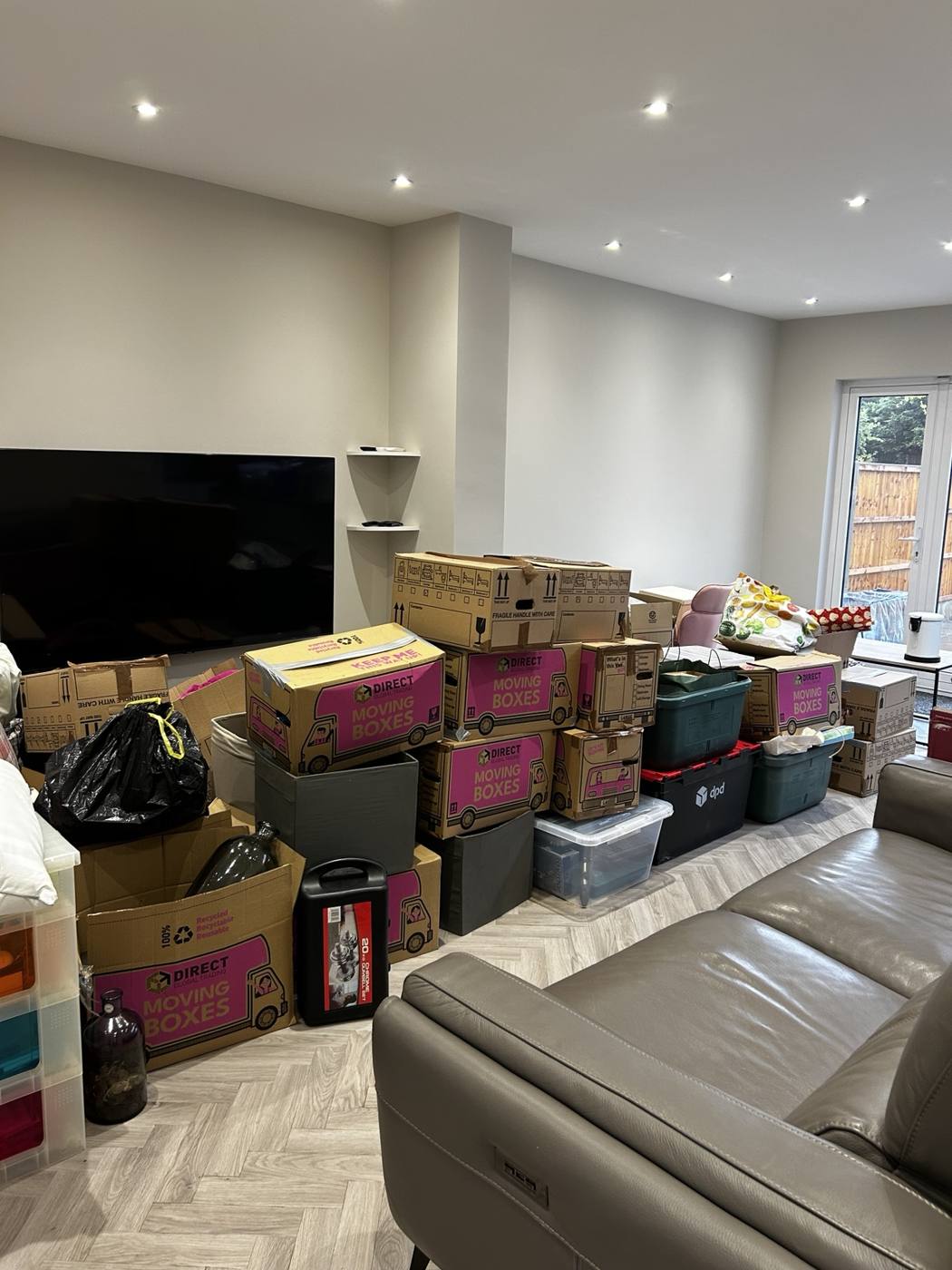
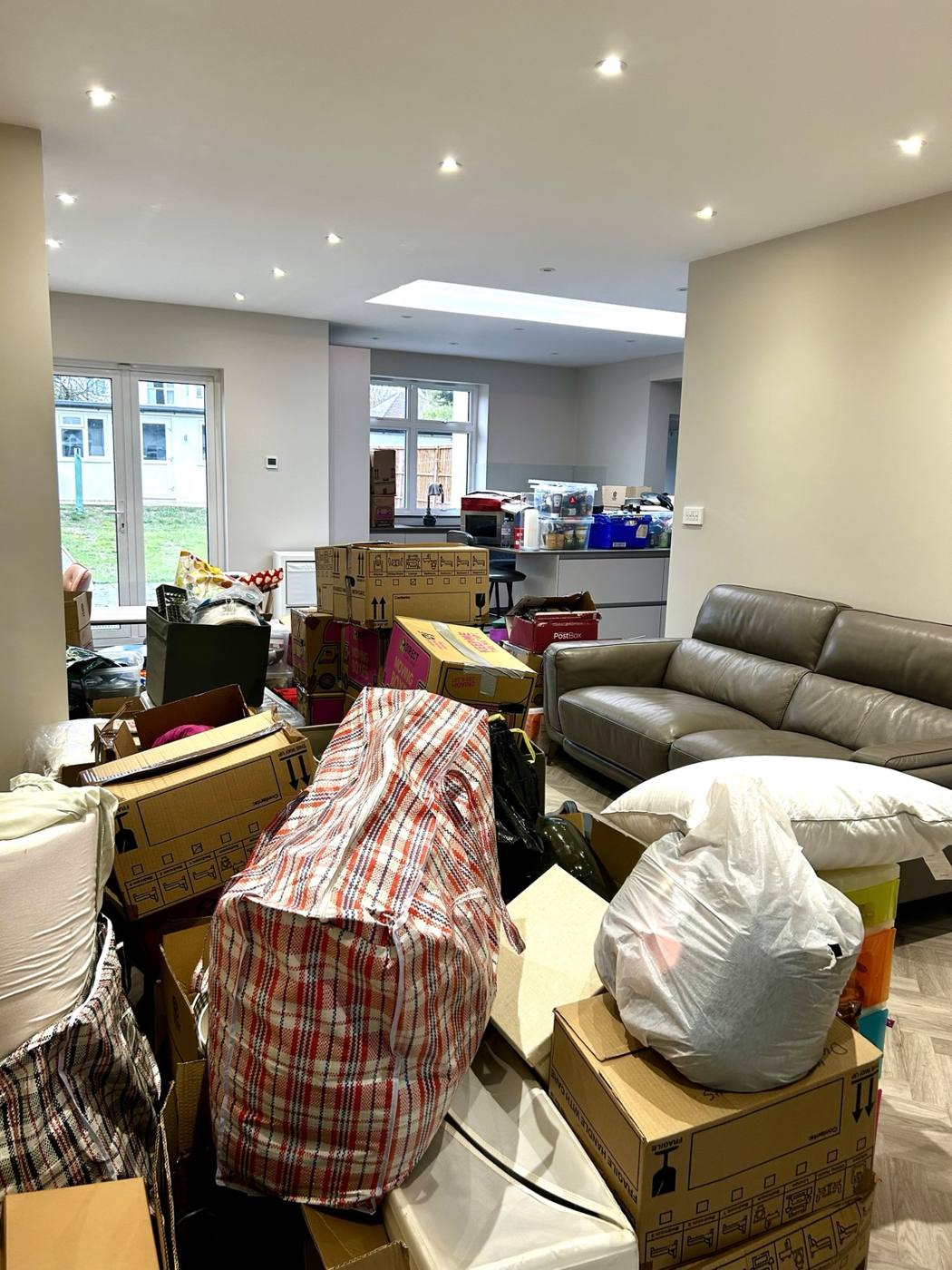
Boxes and bags filled the living areas, kitchen surfaces were covered with belongings, and everyday essentials were still packed away. The challenge was to bring order to the house and make it feel like home.
Moving boxes and bags in the living roomBelongings waiting to be unpackedKitchen island before unpackingKitchen belongings before organisationWardrobe before organisation
The Transformation
Over two days, everything found its place.
Much of the work was completed independently, with the homeowner trusting First Guest to make practical decisions about where things belonged and how the spaces would function.
Living spaces
Worked through moving boxes, cleared the main living areas and arranged household belongings and accessories to create comfortable, usable spaces.
BeforeAfter
Kitchen
Unpacked crockery, cookware, utensils and essentials. Organised cupboards and drawers so everything had a logical, accessible place, then cleared and arranged the kitchen surfaces.
BeforeAfter
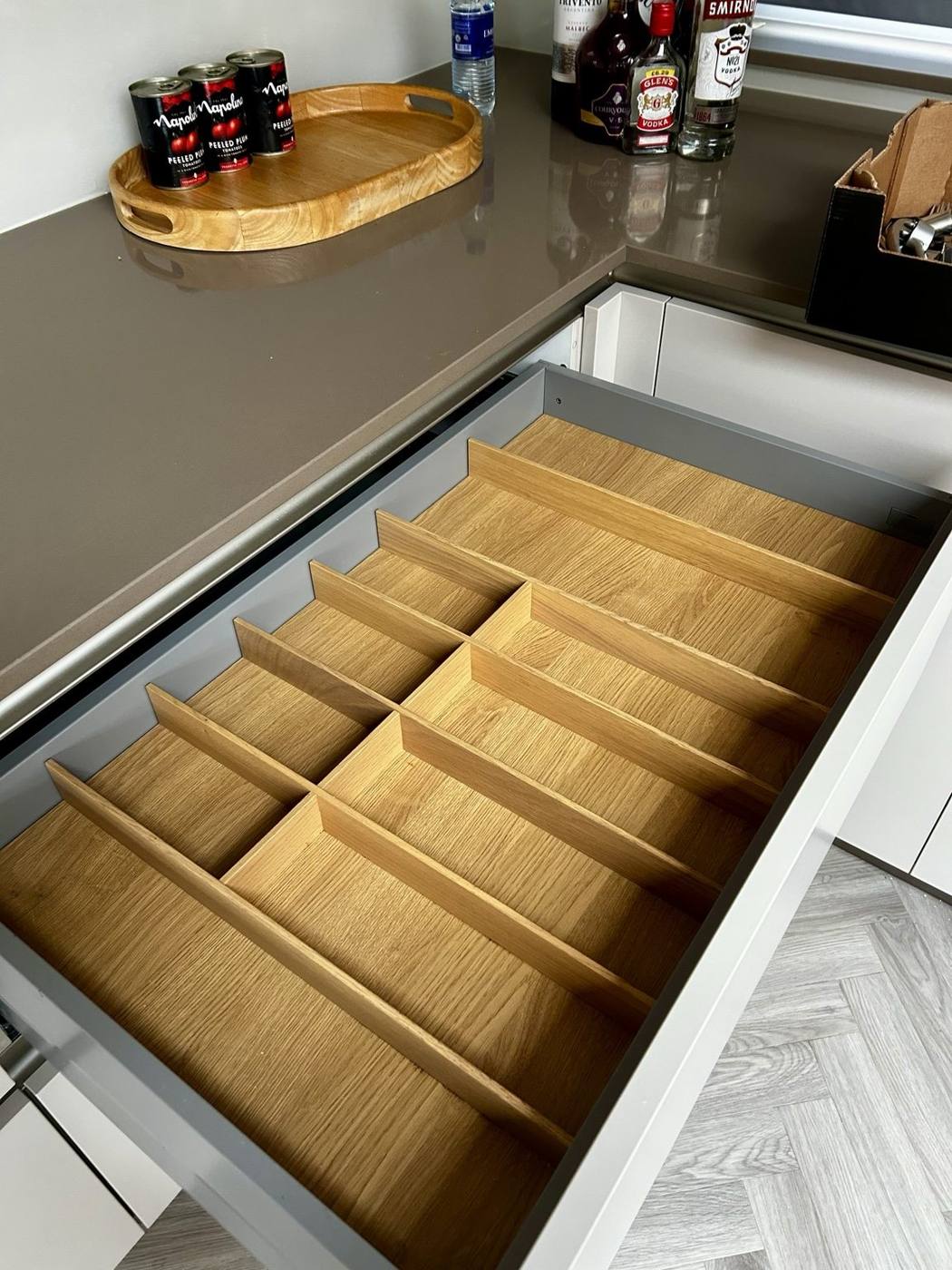
The small details
Sorted cutlery and utensils into drawer organisers, making everyday items easy to find and use.
BeforeAfter
Wardrobes
Unpacked clothing, shoes and personal belongings, organising hanging and folded items to make everyday routines easier.
BeforeAfter
The finished home
From boxes to rooms ready to enjoy.
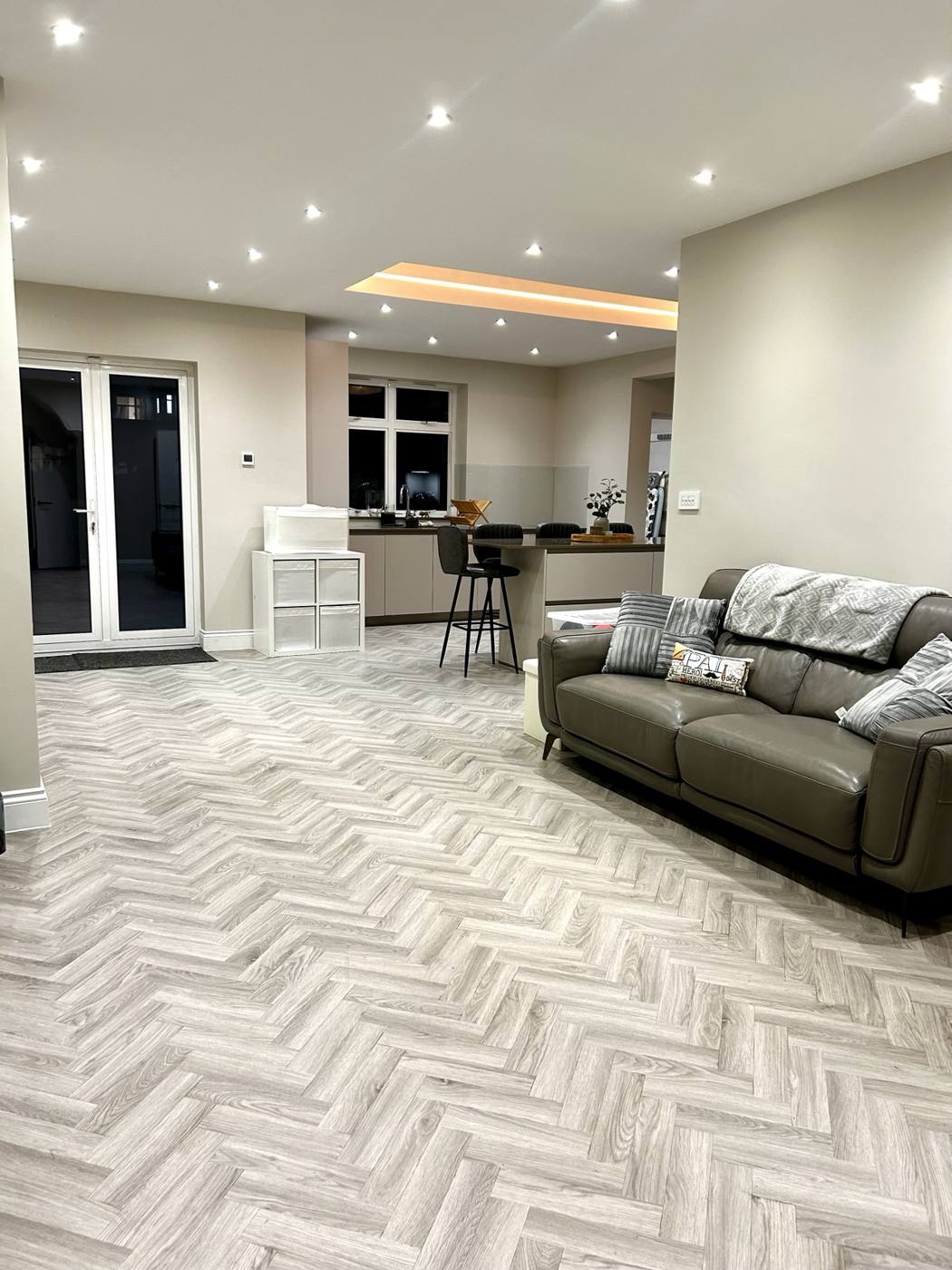
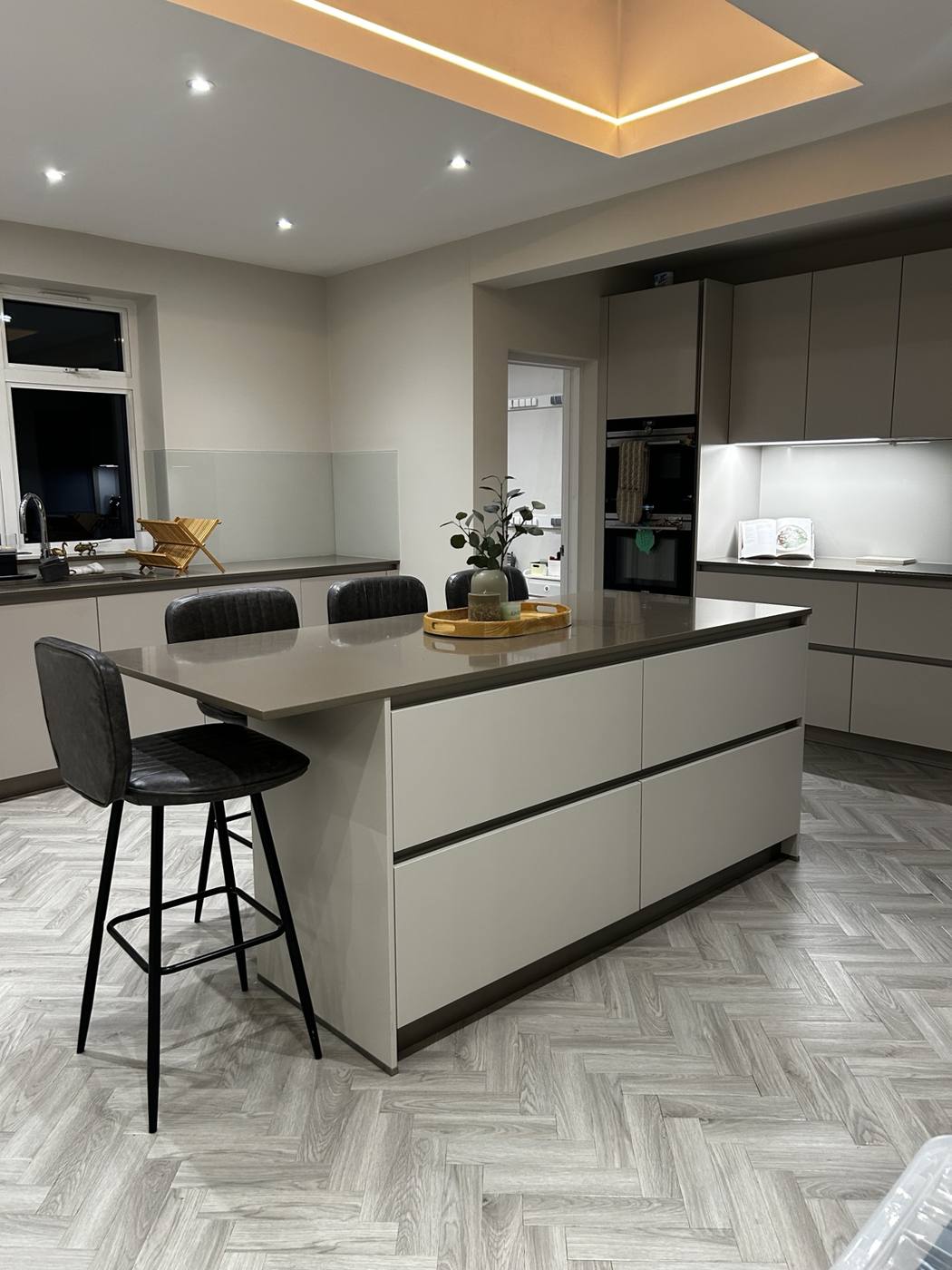
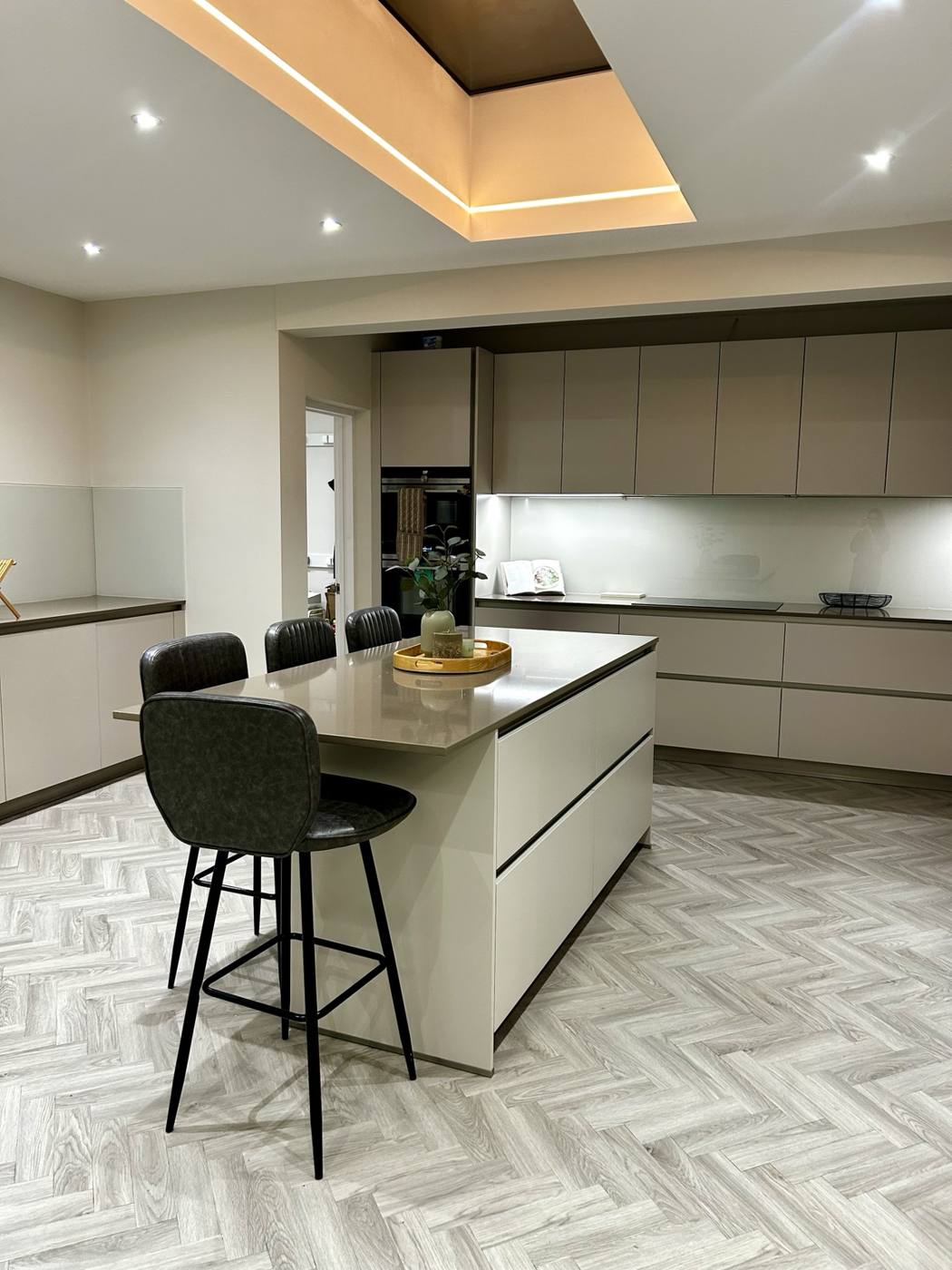
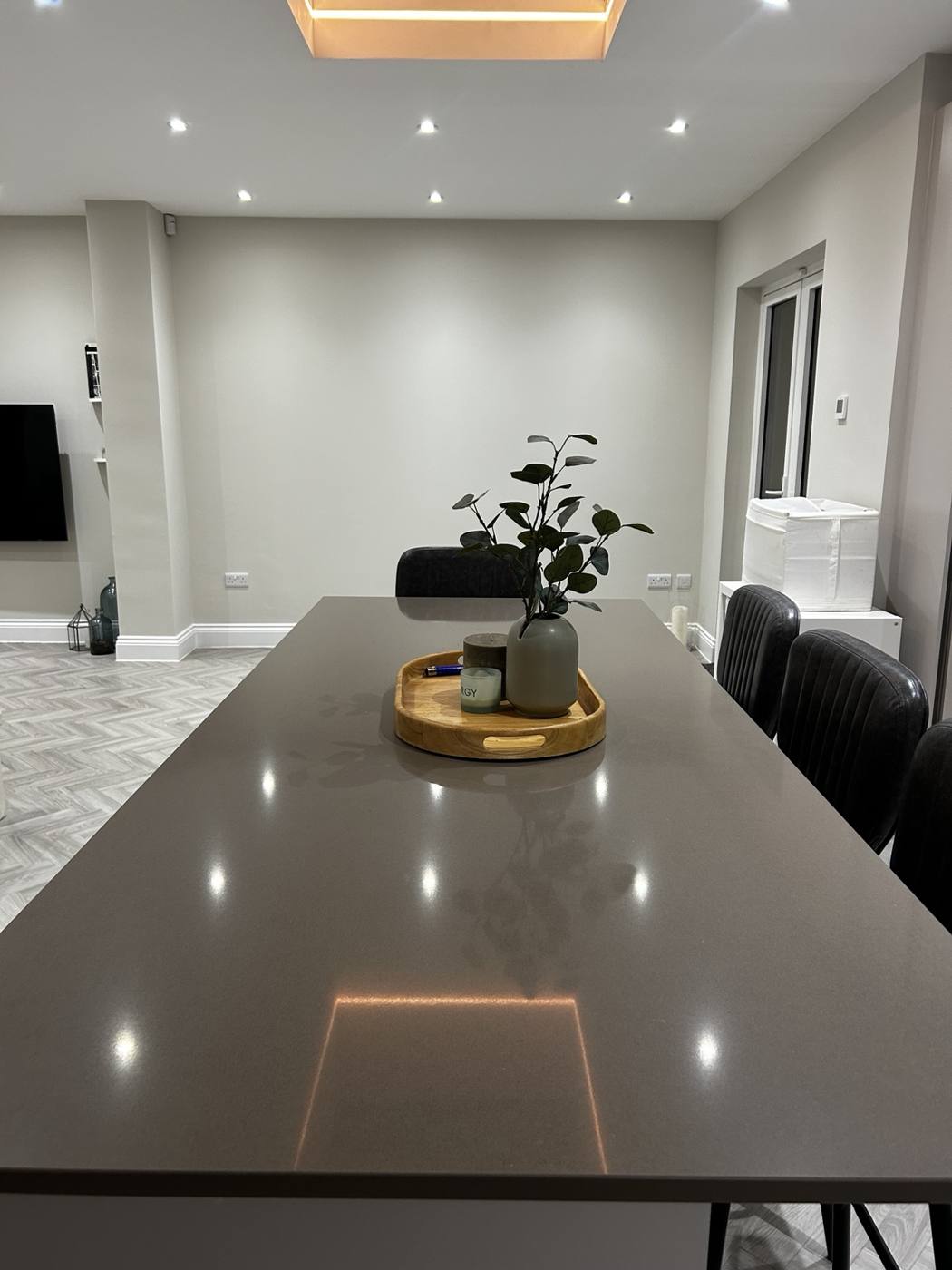
Finished living roomLiving room after unpackingKitchen island after unpackingCompleted kitchen and islandOrganised kitchen islandKitchen workspaces ready for everyday use
The Result
From moving boxes to feeling at home.
Over two days, rooms filled with moving boxes became organised, comfortable living spaces. The kitchen was ready to use, wardrobes were organised, and the main living areas were clear and welcoming.
While some finishing touches were waiting on additional furniture, the homeowner could enjoy his new home without spending his evenings and weekends unpacking boxes.